
🌎 Creation Myths and Environmental Protection
Indigenous creation myths have connected people with nature, animals, and cosmic forces for centuries. These stories not only convey cultural identity but also contain implicit environmental wisdom that teaches sustainable living and respect for the natural world.
Historical Context
Creation myths are a central part of indigenous cultures worldwide:
- The Haudenosaunee tell of the “Great Spirit” and the creation of the Earth on the back of a turtle—emphasizing balance between humans and nature.
- Australian Aborigines use Dreamtime Stories to explain the formation of landscapes, water sources, and animal populations, promoting protection of these elements.
- The Maya employed mythological narratives like the Popol Vuh, linking cosmic order, natural cycles, and agriculture.
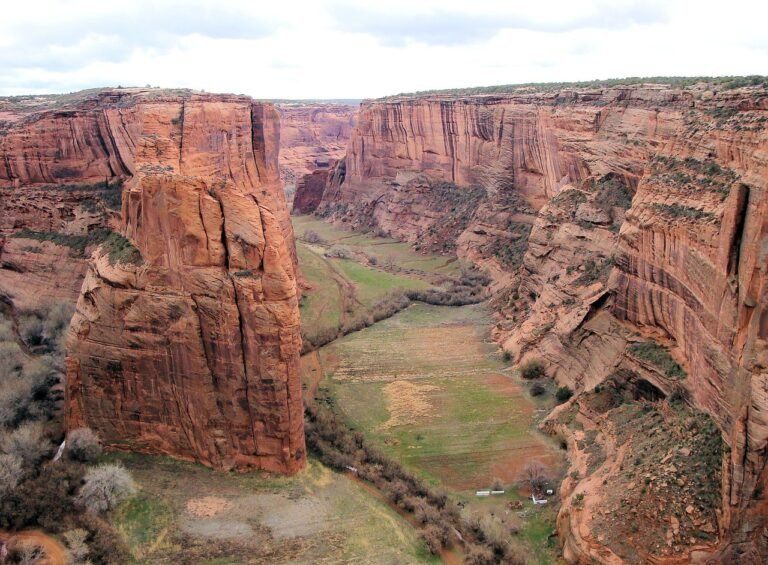
- In North America, Navajo and Lakota stories about animals and natural forces convey moral lessons for sustainable resource use.
Significance for Environmental Protection
- Respect for nature: Myths encourage recognition of plants, animals, and landscapes as living beings.
- Sustainability: Many myths contain rules for hunting, fishing, harvesting, and resource use.
- Intergenerational wisdom: Stories pass on knowledge about seasonal cycles, climate observations, and ecological relationships.
- Spiritual motivation: Rituals and ceremonies inspired by creation myths reinforce ecological awareness.
Practical Wisdom
- Learn the myths and their symbolism to deepen environmental understanding.
- Observe natural cycles and compare them with traditional stories.
- Support projects that integrate indigenous environmental wisdom into education and conservation.
- Promote respect and protection of local ecosystems inspired by mythological teachings.
- Document and share knowledge only with community consent.
Frequently Asked Questions
How are creation myths connected to environmental protection? Myths convey moral and practical rules for interacting with nature, resources, and animals.
Which myths are particularly instructive? Dreamtime Stories of the Aborigines, Popol Vuh of the Maya, creation stories of the Haudenosaunee and Navajo.
Can this wisdom be applied in everyday life? Yes, through mindful living, respectful interaction with nature, and sustainable decisions.
Conclusion
Indigenous creation myths are not only cultural narratives but also guides for respectful interaction with nature and resources. Understanding and integrating these stories into daily life and education fosters sustainability and environmental protection in a culturally aware way.