🌿 Festivals & Spiritual Annual Cycles
Festivals and spiritual annual cycles play a central role in indigenous cultures. They connect people with nature, ancestors, seasons, and cosmic rhythms. Rituals and celebrations mark important transitions, renew communities, and preserve cultural identity.
Historical Context
Indigenous annual cycles are often based on sun, moon, stars, and seasonal patterns:
- The Haudenosaunee celebrate the “Planting Festival” in spring and the “Harvest Festival” in autumn to honor crop cycles and express gratitude.
- Australian Aborigines base ceremonies on weather patterns, animal migrations, and the “Dreamtime” to maintain harmony with land and ancestors.
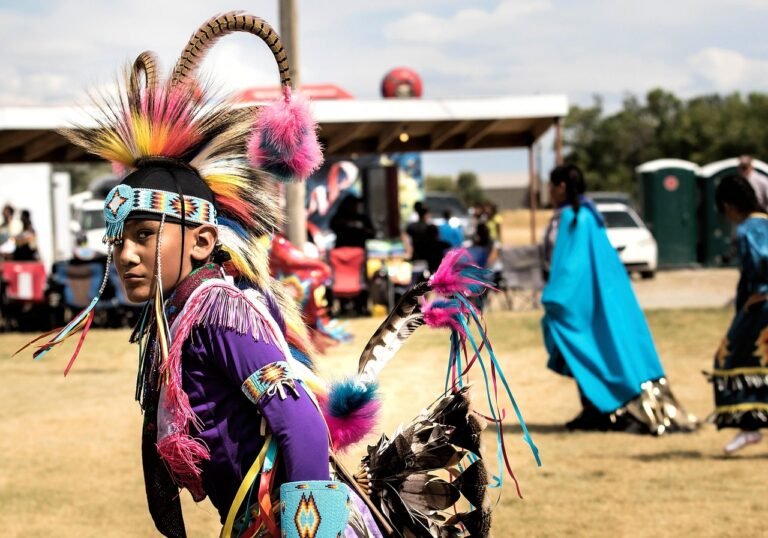
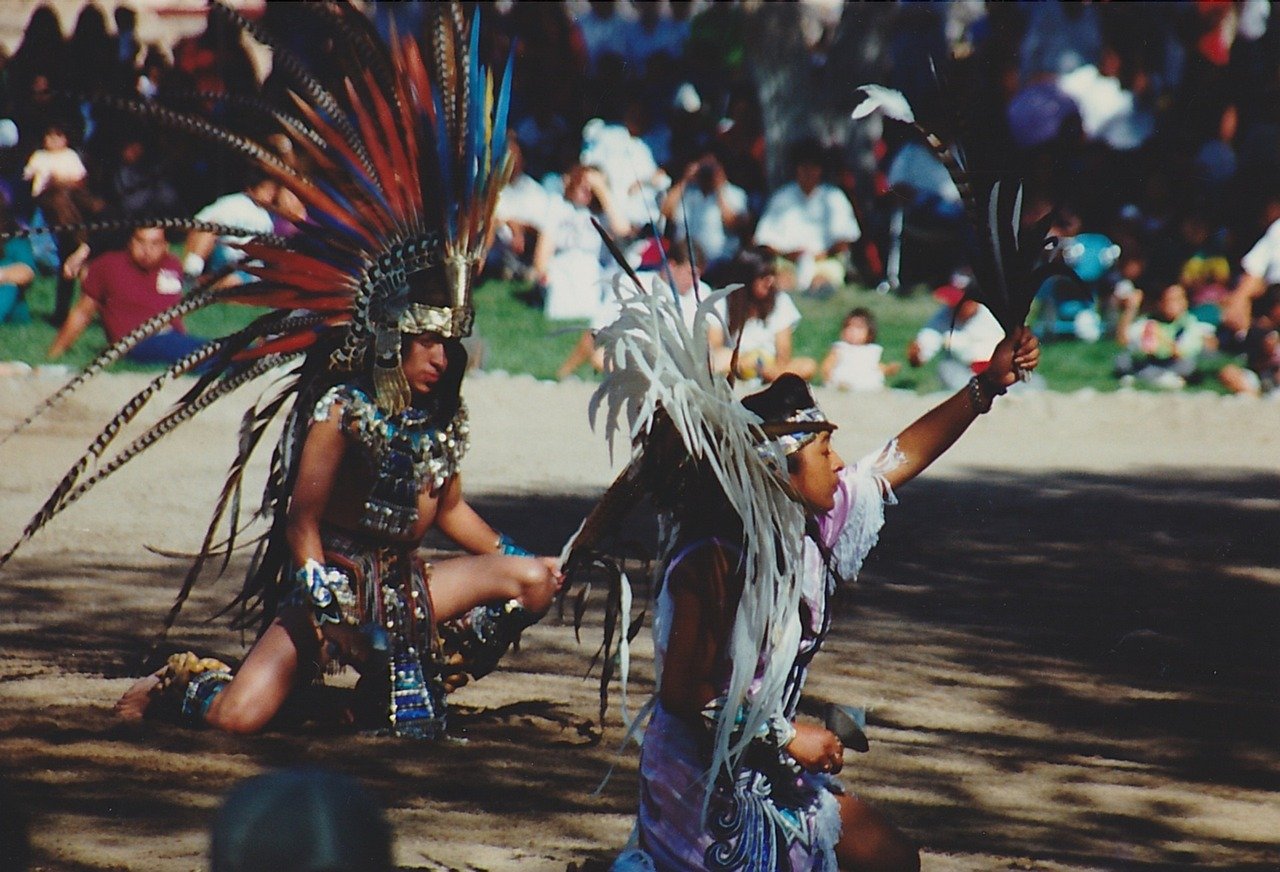
- In North America, powwow cycles marked key social and spiritual events such as initiations, healing rituals, and ancestral ceremonies.
- The Maya used the Tzolk’in calendar (260 days) and the Haab calendar (365 days) for rituals, harvest festivals, and astronomical observations.
Significance of Festivals and Annual Cycles
- Community & cohesion: Rituals and celebrations strengthen social bonds and belonging.
- Cultural transmission: Traditions, songs, dances, and stories are passed to younger generations.
- Connection to nature & cosmos: Plant cycles, moon phases, animal migrations, and star constellations guide rituals.
- Spiritual renewal: Festivals mark life transitions, healing rituals, and ancestor veneration.
Practical Wisdom
- Respect rituals, their meaning, and festival dates.
- Learn the symbolism of dances, music, clothing, and ceremonies.
- If possible, attend public or community-accessible ceremonies with permission.
- Note regional differences: annual cycles vary according to climate, wildlife, and tradition.
- Document only with community consent to preserve cultural integrity.
Frequently Asked Questions
Which festivals are most important for indigenous communities? Harvest festivals, initiations, ancestor ceremonies, healing rituals, sun and moon ceremonies.
How are annual cycles calculated? Primarily through observation of nature, sun, moon, stars, and complemented by oral traditions and calendars.
Can outsiders participate? Yes, but only with respect, knowledge of rules, and community permission.
Conclusion
Festivals and spiritual annual cycles connect indigenous communities with nature, ancestors, and cosmic rhythms. They preserve traditions, strengthen bonds, and allow cultural and spiritual renewal. Respectful understanding and participation help maintain cultural diversity.