📖 Oral History: How Stories Preserve Identity
Oral history—the verbal transmission of stories, legends, and historical events—is a central element of many indigenous cultures. It preserves knowledge, values, and identity across generations and connects communities with their past.
Historical Context
Before writing systems were introduced, stories, songs, and rituals were the main form of knowledge transmission. Examples:
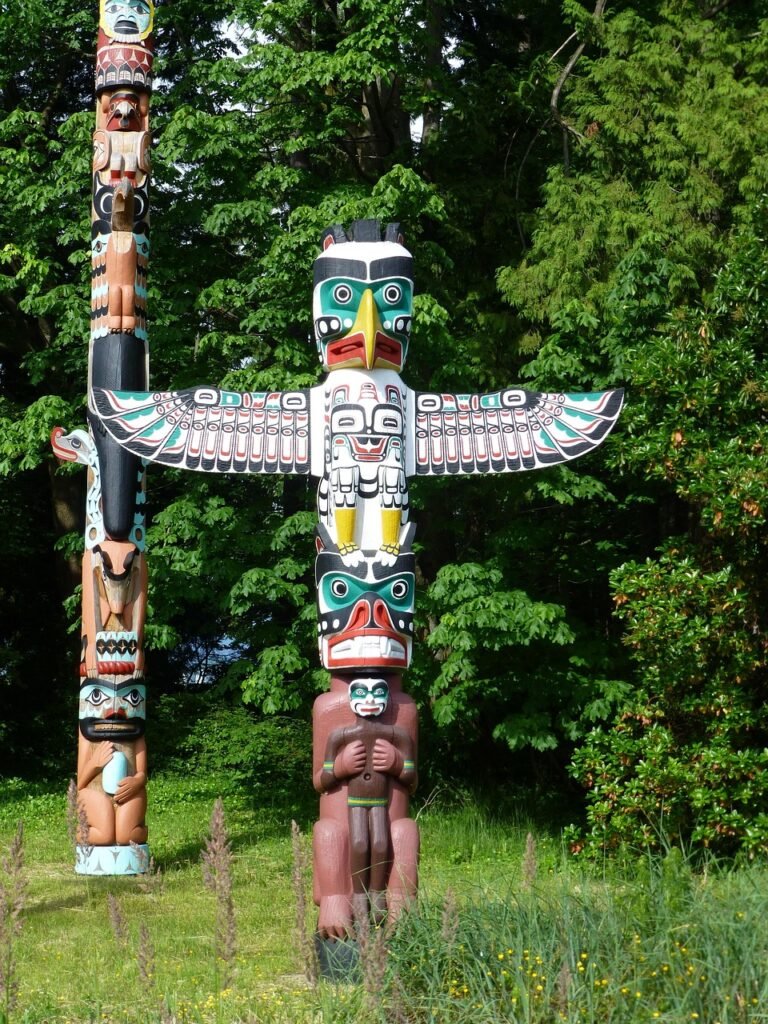
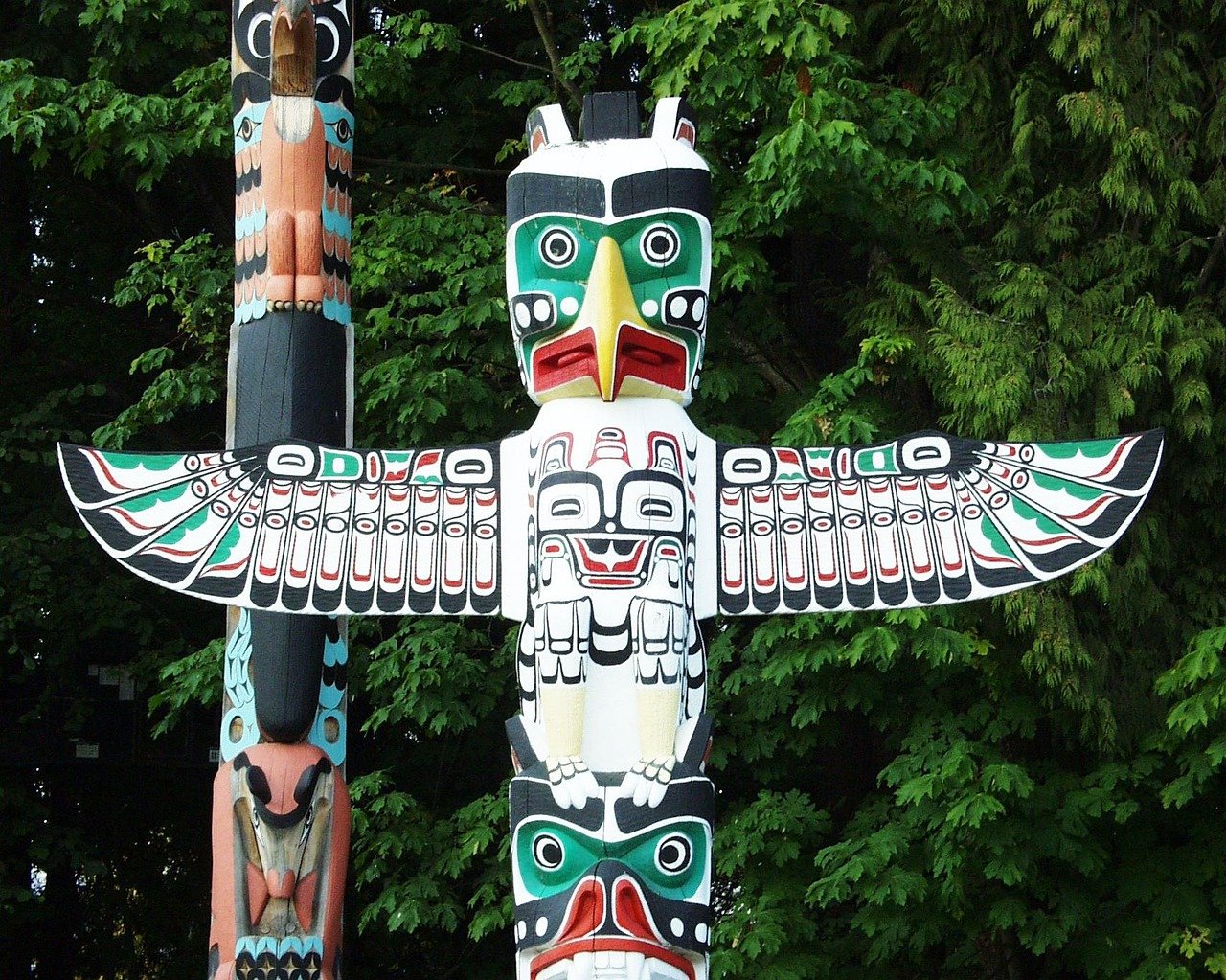
- The Haida on Canada’s Pacific coast passed down tribal history, ancestral lines, and laws through stories and totem poles for centuries.
- Australian Aborigines preserve creation myths, environmental knowledge, and moral lessons through Dreamtime Stories.
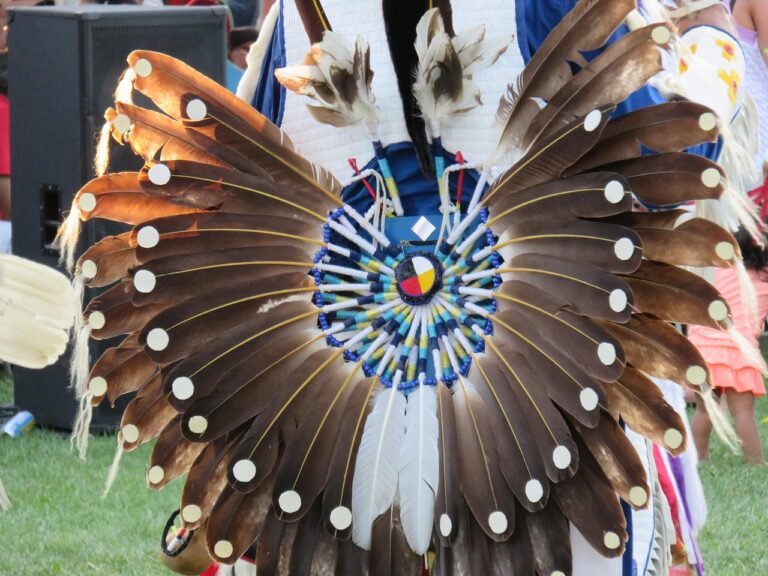
- In North America, Lakota, Navajo, and other tribes told stories at ceremonies, powwows, or around fires to transmit values and social norms.
Significance for Identity and Culture
- Connection to ancestors: Stories anchor listeners in a long line of predecessors and traditions.
- Transmission of values: Moral, social, and ecological lessons are conveyed through narrative.
- Community & belonging: Shared storytelling strengthens cohesion and collective memory.
- Language and knowledge preservation: Oral history helps maintain rare languages and specialized terminology.
Practical Wisdom
- Listen actively and respectfully, especially to elders.
- Document stories only with community consent.
- Link stories to places, music, and rituals to understand context.
- Share content in ways that honor the source and culture.
- Support programs that integrate oral history into schools or cultural centers.
Frequently Asked Questions
What is oral history? Oral history is the verbal transmission of knowledge, traditions, and stories within a community.
Why is it important for indigenous peoples? It preserves identity, language, morals, and social structures across generations.
How can oral history be used respectfully? Listen attentively, document only with permission, cite sources, and share stories in cultural context.
Conclusion
Oral history is more than entertainment: it is the living memory of a culture. Through stories, values, knowledge, and identity are preserved. Respectful engagement helps maintain indigenous cultures and languages for future generations.