Innovative Use of Traditional Eco-Technologies
Indigenous communities developed eco-technologies over millennia that harmonize with nature and climate. From water management to sustainable building and energy generation, traditional methods inspire innovative solutions for modern ecological challenges.
Historical Foundations
Many traditional techniques have long histories and regional variations:
- Andes: Terraced fields and irrigation systems for over 2000 years – efficient water and soil use
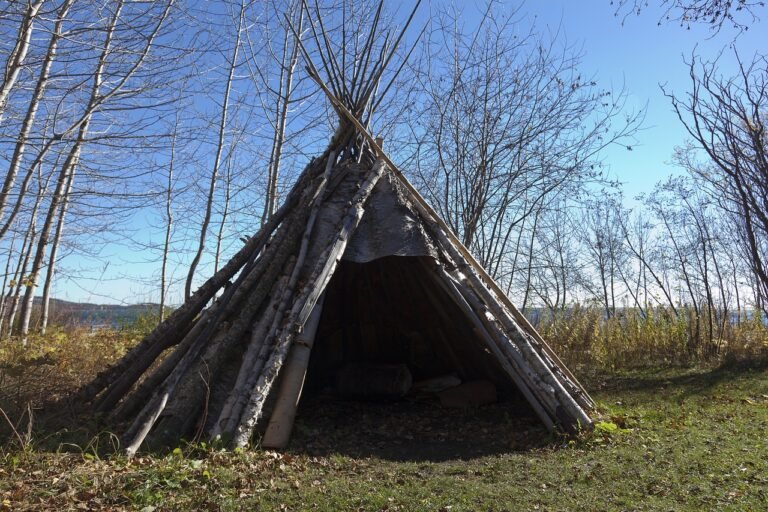
- North America: Smokehouses and wooden buildings with natural ventilation – adapted to climate and resources for centuries
- Australia: Fire ecology – controlled burning to enhance biodiversity for over 10,000 years
- East Asia: Rice cultivation with flood and drought management – sustainable water use for 2000+ years
Examples of Traditional Eco-Technologies
- Water management: canals, ponds, rainwater harvesting
- Renewable energy: wind and water systems in traditional villages
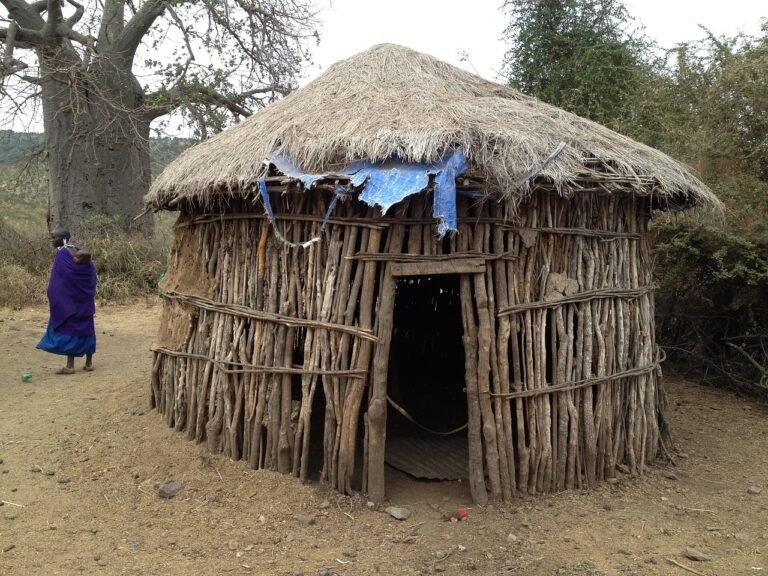
- Sustainable construction: clay houses, sod roofs, natural insulation
- Agroforestry: combining trees and crops for biodiversity and soil fertility
Modern Use & Innovation
- Sustainable architecture: bio-construction inspired by clay houses and sod roofs
- Ecological agriculture: using intercropping, composting, and agroforestry
- Water and energy projects: combining traditional methods with modern technology (solar panels, pumps, sensor systems)
- Education & community projects: knowledge transfer, workshops, demonstration projects
Practical Wisdom
- Analyze local climate and environmental conditions before applying traditional techniques.
- Combine traditional methods with modern technology for efficiency.
- Document methods, results, and improvements.
- Share knowledge within communities to promote sustainable practice.
- Respect cultural knowledge and indigenous rights.
Frequently Asked Questions
What are traditional eco-technologies?
Techniques developed by indigenous communities to sustainably use natural resources, e.g., water management, building methods, agriculture.
How can they be used today?
By combining with renewable energy, sensors, sustainable architecture, and ecological agriculture.
Why are they important for sustainability?
They provide resource-efficient solutions, promote biodiversity, reduce environmental impact, and support resilient systems.
Conclusion
Traditional eco-technologies are valuable resources for modern sustainable solutions. Their innovative use combines cultural knowledge with ecological responsibility, promotes resource conservation, and offers practical inspiration for today’s world.