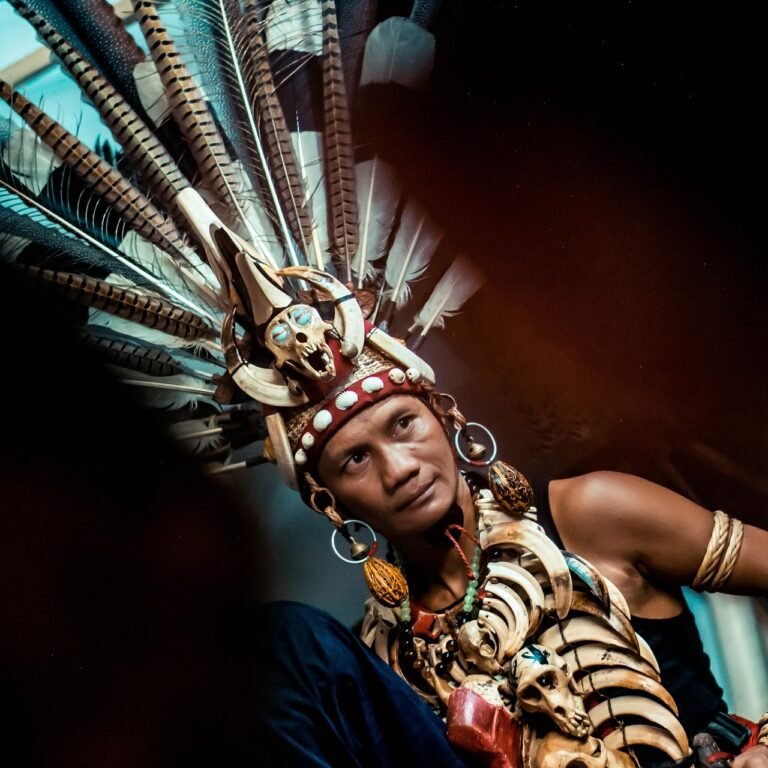

🪵 Totem Poles and Their Meaning: The Untold Stories of the Northwest Coast Peoples
Totem poles are more than artistic wood carvings—they are storytellers, ancestral honors, and expressions of identity. The Indigenous peoples of the Northwest Coast have used them for centuries to display myths, social structures, and family lineages.
🌿 Origins and Function
Totem poles originated among Pacific Coast Indigenous peoples such as the Tlingit, Haida, Kwakwaka’wakw, and others. They served both ritualistic and social purposes.
Native Inspiration & Wisdom


Key Functions:
- Depicting family lines and ancestors
- Making community myths and legends visible
- Marking ownership, status, and rights
- Spiritual connection between people, animals, and nature
🌀 Symbolism of Figures
Each figure on a totem pole carries deep meaning. Animals and mythical beings represent traits, powers, and lessons.
Examples:
- Eagle – wisdom and foresight
- Bear – strength and protection
- Raven – creator and trickster, symbol of transformation
- Whales and fish – connection to the sea and prosperity
⚡ Modern Relevance
Today, totem poles symbolize Indigenous identity, cultural resilience, and artistic excellence. They appear in museums, public spaces, and contemporary art. At the same time, Northwest Coast peoples advocate for respect of their spiritual significance and against commercialization.
📜 Practical Wisdom
- Traditional art carries history and moral lessons.
- Respecting symbolism preserves cultural integrity.
- Each figure tells a story that deserves understanding.
- Cultural expressions connect communities and generations.
- Maintaining traditions strengthens identity and self-worth.
👥 Who Is This Relevant For?
- Art and culture enthusiasts
- Historians and anthropologists
- Travelers to the Pacific Northwest
- Indigenous communities and activists
- Students and educators
❓ Frequently Asked Questions
What does a totem pole tell?
It conveys family history, myths, spiritual teachings, and social structures.
Who is allowed to erect totem poles?
Traditionally elders or authorized family members; today also in collaboration with art institutions.
Why are totem poles still important today?
They reinforce identity, cultural resilience, and transmit knowledge of traditions, history, and spirituality.
🔚 Conclusion
Totem poles are more than artworks: they are living chronicles documenting the history, spirituality, and social order of the Northwest Coast peoples. Respect and protection are crucial to preserving Indigenous culture and identity for future generations.