
Food and Identity: How Traditional Cuisine Leads to Cultural Rediscovery
Food is more than sustenance – it expresses culture, history, and identity. For indigenous communities, meals are a medium to pass on tradition, strengthen community, and preserve cultural roots. In the modern world, traditional diets are increasingly used as a tool for cultural rediscovery.
Historical Roots of Traditional Diets
Many indigenous diets have centuries or millennia of history:
- North America: Corn, beans, and squash – the “Three Sisters” system as sustainable agriculture for over 1000 years
- Amazon: Manioc, cocoa, guarana – staples and ceremonial drinks for at least 5000 years
- Australia: Bush Tucker – edible plants, nuts, and berries, passed down for over 20,000 years
- West Africa: Millet, yam, peanuts – dietary pillars since the 12th century
Food as an Identity Builder
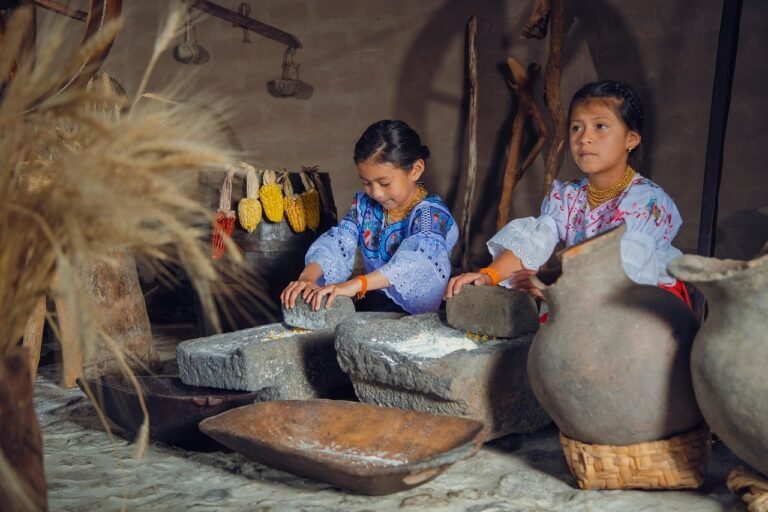
Traditional food serves as cultural memory:
- Shared meals strengthen family and community bonds
- Preparation methods convey knowledge about nature, seasons, and sustainability
- Rituals and ceremonies are linked to specific foods (e.g., cocoa ceremonies, festive dishes)
- Modern revival helps younger generations understand their cultural heritage
Modern Application & Revival
Today, traditional indigenous diets experience a renaissance:
- Native Food Festivals, cookbooks, and social media showcase traditional recipes
- Restaurants and startups integrate historical ingredients into modern cuisine
- Health trends: “Ancient Grains”, “Superfoods” like quinoa, cocoa, or guarana from indigenous knowledge
- Education: Workshops, community gardens, and schools teach indigenous food culture
Practical Wisdom
- Explore traditional ingredients and their origins.
- Cook according to traditional recipes and document methods.
- Combine modern nutrition trends with cultural authenticity.
- Share experiences and knowledge in communities or on social media.
- Respect rituals and the cultural significance of foods.
Frequently Asked Questions
Why is traditional food important for cultural identity?
Because it reflects history, values, and community, allowing people to consciously connect with their roots.
How can modern cuisine respect indigenous traditions?
Through authentic recipes, ingredient sourcing, and involvement of communities.
Are there notable global examples?
Yes, e.g., quinoa in the Andes, Bush Tucker in Australia, corn dishes in North America, or millet dishes in West Africa.
Conclusion
Food is a powerful tool for cultural rediscovery. By preserving and reviving traditional ingredients and recipes, indigenous communities strengthen identity, knowledge, and community. Modern societies can learn from this: sustainability, diversity, and mindful eating are values passed down over millennia.