
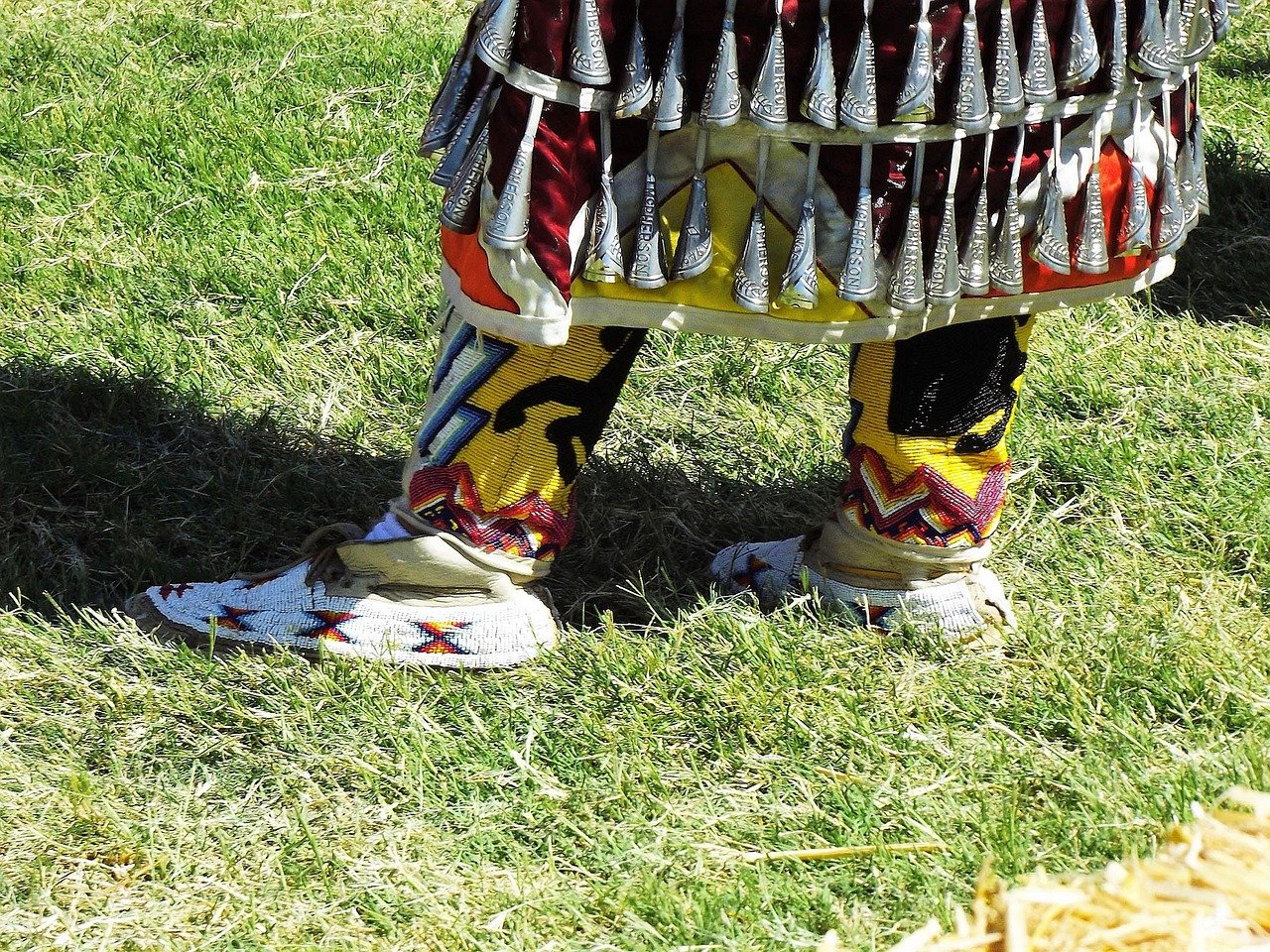
Indigenous culture is often reduced to the past: old rituals, traditional clothing, historical stories. In reality, indigenous communities actively live their culture today—in art, language, music, crafts, education, and political engagement. It is dynamic, creative, and far from static.
Tradition and Innovation Hand in Hand
Contemporary indigenous artists blend traditional motifs with modern media. Musicians fuse ancient songs with hip-hop, painters reinterpret legends through graffiti and digital formats. Tradition and innovation are complementary, not opposing.
Language as a Living Treasure
Indigenous languages are more than communication tools. They carry worldviews, ecological knowledge, medicine, and spirituality. Today, they are revitalized through classes, podcasts, digital platforms, and school programs.
Community and Social Structures
Indigenous social culture is diverse: from village councils to tribal assemblies and modern educational initiatives. Community today signifies solidarity and resilience, not regression.
Crafts and Everyday Culture
- Basketry and weaving remain alive
- Fashion and jewelry blend tradition with modern trends
- Celebrations, dances, and ceremonies are passed to younger generations
Political and Social Engagement
Indigenous groups actively fight for land rights, education, environmental and climate protection. Modern media enables global networking and visibility. Culture thus becomes a tool for self-determination and resilience.
Practical Wisdom
- Tradition is living, not static
- Innovation enriches cultural expression
- Language preserves identity
- Community strengthens resilience
- Culture is a tool for political participation
Who Is This Relevant For?
- Art and culture enthusiasts
- Educational institutions and teachers
- People appreciating cultural diversity
- Activists and sustainability initiatives
- Travelers seeking authentic experiences
Frequently Asked Questions
Is indigenous culture still authentic today?
Yes. It evolves while remaining rooted in traditions and values.
How can I respectfully engage with indigenous culture?
Through authentic experiences, workshops, cultural trips, and listening.
What role does technology play?
Technology allows dissemination, education, and networking without devaluing culture.
Conclusion
Indigenous culture today is vibrant, diverse, and creative. It merges tradition with modernity, preserves knowledge and identity, and inspires people worldwide. Viewing it solely historically overlooks the dynamic power that indigenous communities live every day.