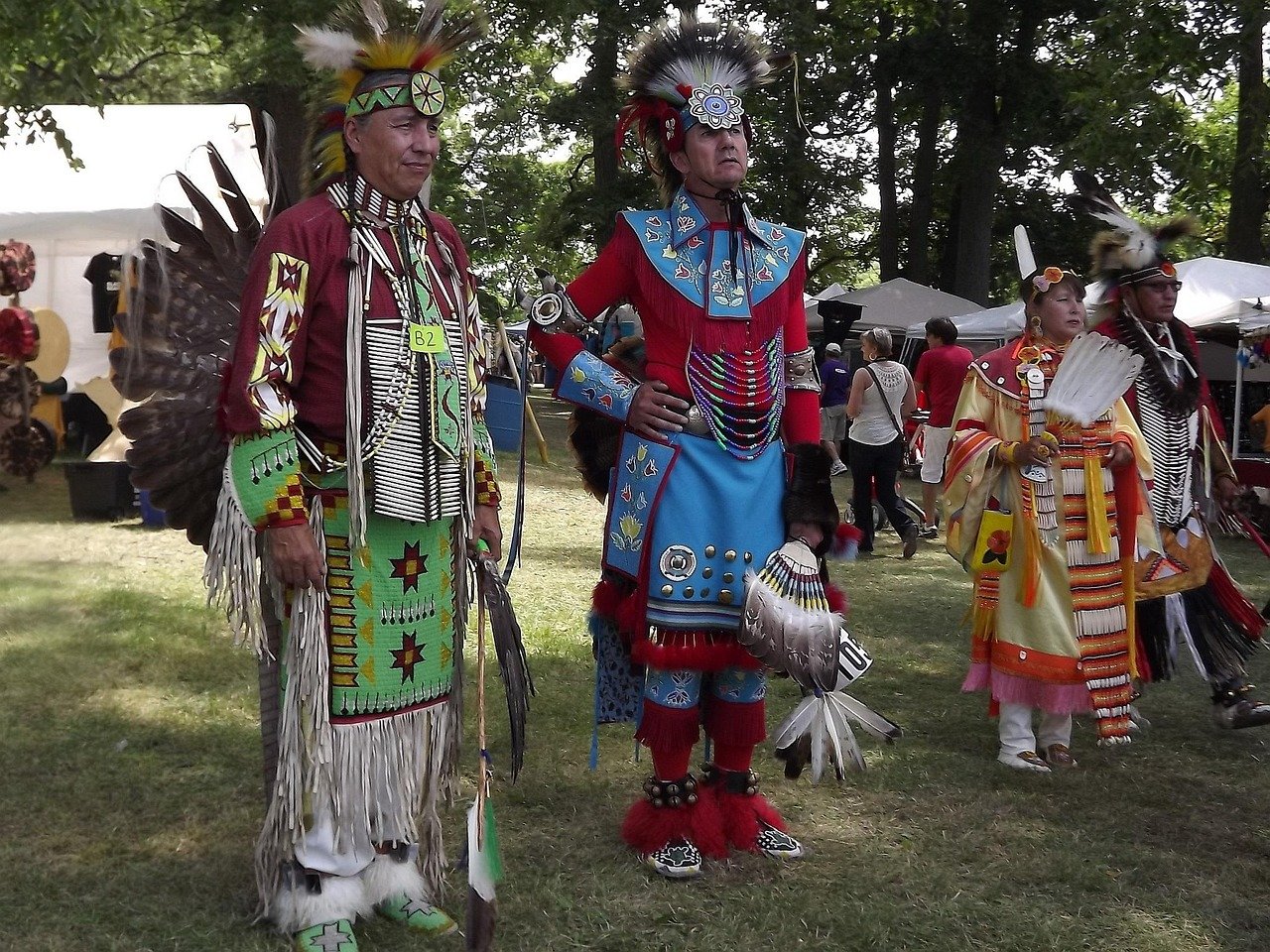
⛰️ Sacred Indigenous Sites: Places of Power You Won’t Find on Google Maps
Many Indigenous peoples around the world know places considered sacred or powerful. These sites are more than landscapes—they are cultural archives, spiritual centers, and sources of knowledge and healing. Many are deliberately left off maps to protect them and preserve their integrity.
🌿 Significance of Sacred Sites
Sacred sites connect humans, nature, and ancestors. They are settings for rituals, initiations, and spiritual teachings. Waterfalls, mountains, river bends, rocks, or certain trees can become “places of power” when generations imbue them with special meaning.
Native Inspiration & Wisdom


Examples:
- North America: Bear Butte (Lakota) – center for vision quests and prayers.
- Australia: Uluru (Aborigines) – sacred center of Dreamtime and ritual practice.
- Amazon: Sacred river bends used for spiritual cleansing and initiation.
🌀 Invisibility as Protection
Many sites are intentionally kept private. Knowledge is passed down within the community. Public exposure via Google Maps or tourism can disrupt rituals and devalue spiritual meaning.
🔥 Modern Threats
Urbanization, logging, mining, or tourism threaten Indigenous power sites. Protecting them is central to self-determination and cultural preservation.
📜 Practical Wisdom
- Respect that not all sites are accessible to outsiders.
- Sacred sites are living archives of cultural memory.
- Photographing or entering without permission can be harmful.
- Spirituality is non-negotiable – it is part of daily community life.
- Learning about power places requires listening, not just consumption.
👥 Who Is This Relevant For?
- Cultural enthusiasts and travelers
- Spiritual seekers
- Ethnologists & anthropologists
- Photographers & documentarians
- People wishing to learn respect for Indigenous traditions
❓ Frequently Asked Questions
Can sacred sites be visited?
Only with explicit permission from the community. Many sites are off-limits to outsiders.
Why aren’t they on maps?
To protect them from disturbance, exploitation, and loss of spiritual significance.
How can one respectfully learn about these places?
Through conversations with community members, literature, and cultural programs.
🔚 Conclusion
Indigenous sacred sites are more than tourist attractions. They are living centers of knowledge, spirituality, and identity. Respect, mindfulness, and restraint are key to honoring their power and significance.