🎶 Music as Cultural Memory
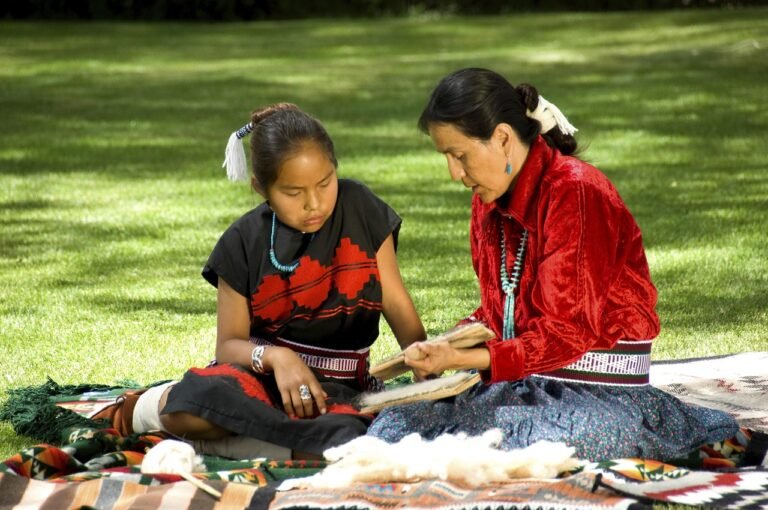
Music is more than entertainment: For indigenous communities, it serves as living cultural memory, transmitting stories, traditions, and values across generations. Through songs, rhythms, and dances, myths are told, historical events remembered, and social bonds reinforced.
Historical Background
Indigenous music has a tradition spanning thousands of years. Examples:
- The Haida (Pacific Northwest, Canada) used drums and chants to pass on tribal stories and ancestral knowledge, documented as early as the 18th century by ethnographers.
- Australian Aborigines practice the Songline system, a complex network of song paths transmitting geographic, spiritual, and genealogical information.
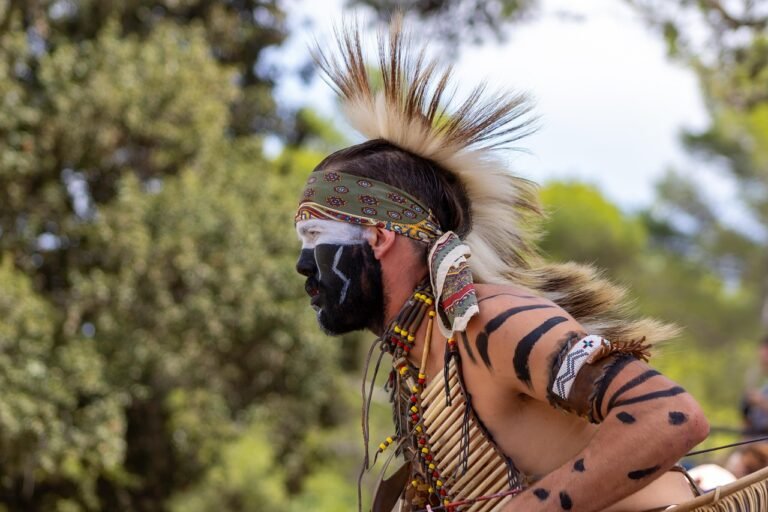
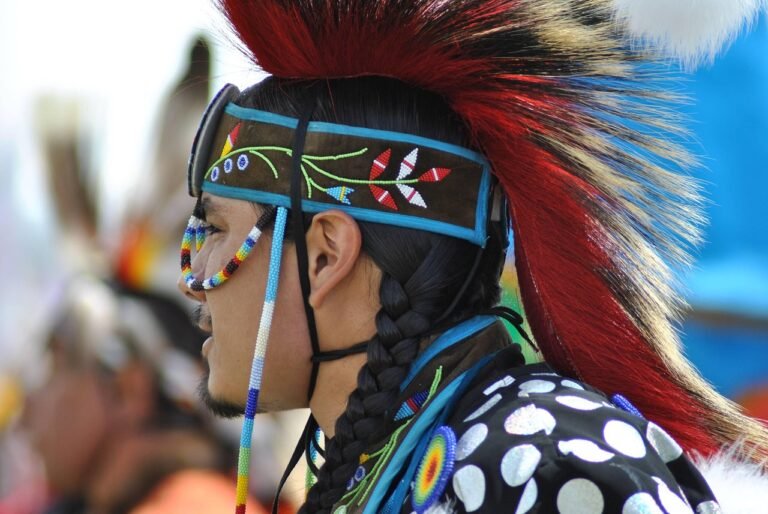
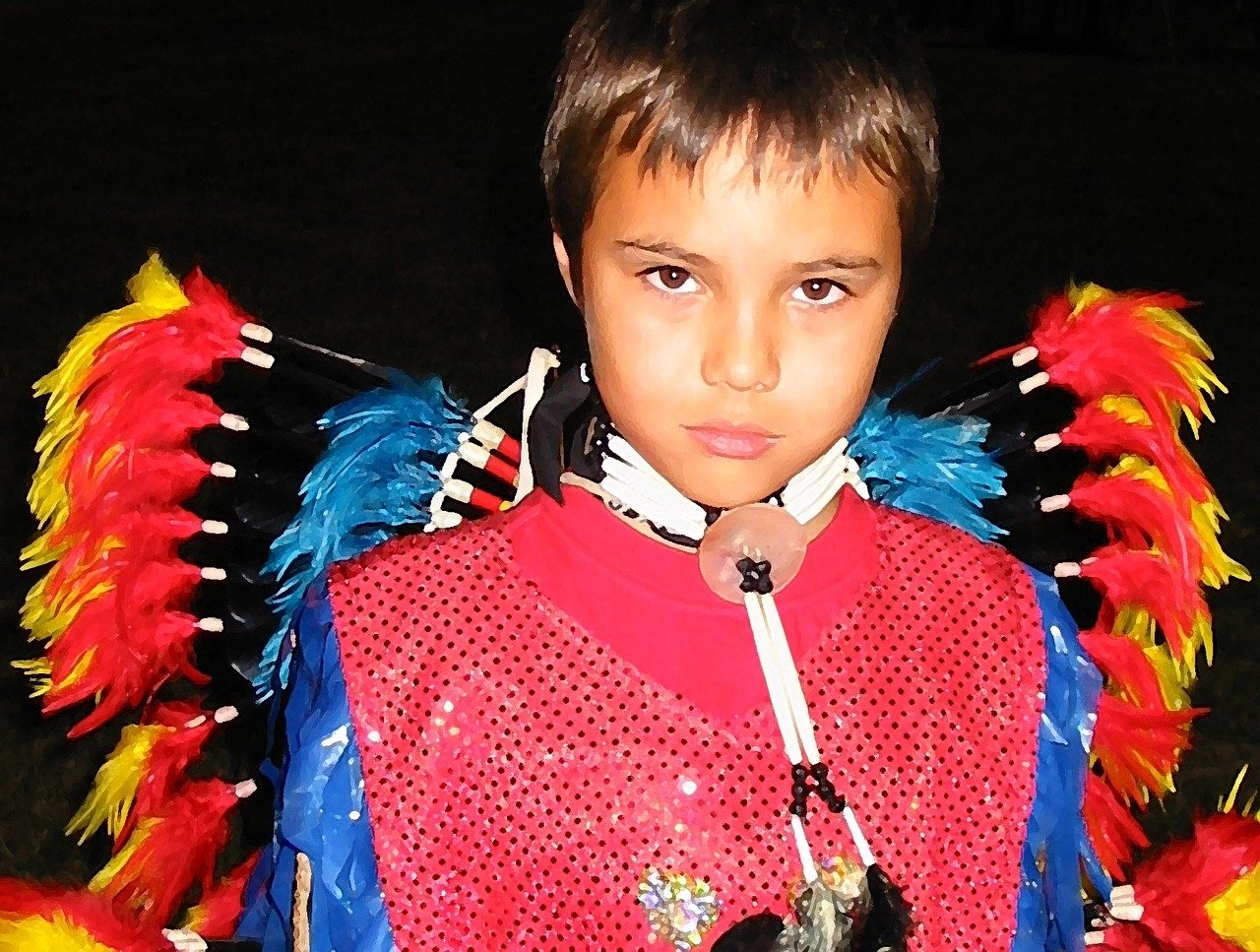
- In North America, Powwow songs reinforced community and commemorated historical events, such as significant battles or treaties with European settlers in the 19th century.
Music as a Medium of Transmission
Music conveys knowledge in unique ways:
- Oral tradition: Songs preserve language, stories, and rituals.
- Rituals and festivals: Dances and songs accompany ceremonies like harvest festivals, initiation rites, or memorials.
- Emotional connection: Music links people to history and identity, strengthening community and belonging.
- Modern adaptations: Artists like Buffy Sainte-Marie (Canada) or Yothu Yindi (Australia) blend traditional melodies with contemporary music to make cultural heritage accessible to wider audiences.
Practical Wisdom
- Listen actively and learn the stories behind the songs.
- Explore different instruments and their cultural significance.
- Attend local festivals, powwows, or cultural centers.
- Support indigenous musicians preserving authentic traditions.
- Reflect on historical context to avoid stereotypes.
Frequently Asked Questions
Why is music so important for indigenous cultures? It preserves history, builds identity, and strengthens social bonds.
Can music be learned independently of the culture? Yes, but respectfully: always within the context of the tradition and with community consent.
Which festivals or events are recommended? ImagineNATIVE (Canada), National Aboriginal & Torres Strait Islander Music Awards (Australia), or regional powwows in North America.
Conclusion
Indigenous music is a living cultural memory. It preserves traditions, conveys history, and strengthens communities. Experiencing music respectfully allows one to understand not just melodies, but also the stories, identities, and values they carry.