🍽️ Traditional Indigenous Diet Today
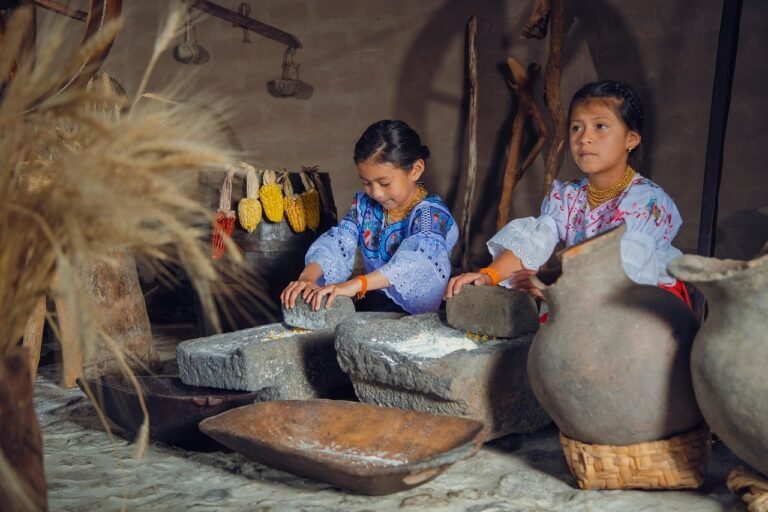
Traditional indigenous diets are more than food intake: they reflect culture, history, and identity. Today, indigenous communities worldwide continue to rely on their time-tested foods, preparation methods, and rituals—adapted to modern circumstances but respecting tradition.
Historical Foundations
The roots of traditional diets often go back millennia:
- North America: Corn, beans, squash – sustainable “Three Sisters” system for over 1000 years
- Amazon: Manioc, Guarana, Cacao – staple foods and ceremonial drinks for 3000–5000 years
- Andes: Quinoa, Maca, Amaranth – central foods of the Inca for over 4000 years
- Australia: Bush Tucker – nuts, berries, edible roots of Aboriginal people for over 20,000 years
Regional Examples Today
- Canada: Wild rice and berries in First Nations communities – superfood and cultural carrier
- Brazil: Acai juice and manioc products – globally popular, locally traditional
- Peru/Bolivia: Quinoa, Maca – traditional recipes combined with modern smoothies and snacks
- Australia: Kakadu Plum, Wattleseed – used in modern restaurants and supplements
Health Benefits
Traditional foods are nutrient-dense and promote health and well-being:
- Complete proteins: Quinoa, Amaranth, legumes
- Antioxidants: Acai, Kakadu Plum, Camu Camu
- Fiber: Manioc, Wild rice, beans
- Adaptogenic compounds: Maca, Guarana
Modern Applications
- Integration into smoothies, mueslis, bowls, and snacks
- Native Food Festivals and cookbooks promote knowledge transfer
- Workshops and community gardens teach traditional diets and sustainability
- Fair-trade products support indigenous communities
Practical Wisdom
- Use traditional foods for balanced, nutrient-rich nutrition.
- Explore preparation methods and recipes from indigenous knowledge.
- Combine ancient ingredients with modern diets mindfully.
- Support fair-trade initiatives for indigenous products.
- Respect cultural rituals and traditions around food.
Frequently Asked Questions
Which traditional foods are still used today?
Examples: Corn, beans, squash, manioc, quinoa, maca, acai, Kakadu Plum, wild rice.
Why is traditional diet relevant today?
It connects culture, identity, and health, showing sustainable use of local resources.
How can modern societies benefit?
By integrating nutrient-rich foods, practicing sustainable eating, and respecting traditional knowledge.
Conclusion
Traditional indigenous diets continue today, adapted to modern lifestyles but deeply rooted in culture and history. They provide nutrients, strengthen identity and community, and serve as inspiration for sustainable and healthy nutrition.